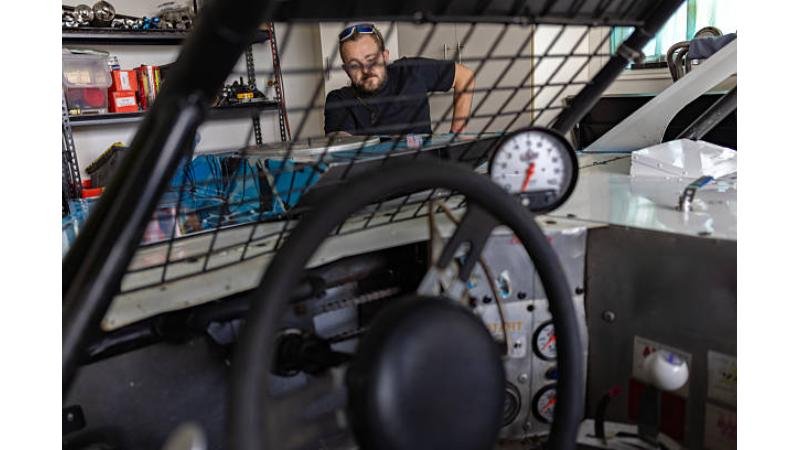
Winning races requires far more than a powerful engine. Every successful race car depends on dozens of systems working together in perfect harmony, and one of the most important is the electrical system. From starting the engine to activating fuel pumps and cooling fans, reliable electronics keep your vehicle performing at its best when every second counts.
Whether you’re building a drag racing car, a road racing machine, an off-road truck, or a dedicated track vehicle, investing in quality race car electronics is one of the smartest upgrades you can make.
Why Electrical Reliability Matters
Mechanical failures often receive the most attention, but electrical problems are responsible for many race-ending issues. A faulty relay, loose connection, or overloaded circuit can leave a vehicle stranded before it ever reaches the finish line.
A properly designed electrical system delivers consistent power to every essential component while protecting sensitive electronics from voltage spikes and excessive current.
Reliable wiring gives drivers one less thing to worry about on race day.
Components That Depend on Your Electrical System
Modern race cars rely on electrical power for nearly every major function, including:
- Electronic ignition systems
- Electric fuel pumps
- Cooling fans
- Water pumps
- Nitrous oxide systems
- Digital dashboards
- Shift lights
- Data loggers
- Transmission controls
- Battery management systems
- Auxiliary lighting
As more performance accessories are added, the importance of a well-organized wiring system continues to grow.
Common Wiring Problems
Many custom race cars begin with factory wiring and are modified over time. Additional accessories are often installed using separate relays, inline fuses, and temporary wiring solutions that become difficult to manage.
Some of the most common electrical issues include:
- Poor grounding
- Loose electrical connections
- Overloaded switches
- Blown fuses
- Voltage drops
- Relay failures
- Unlabeled wiring
- Difficult troubleshooting
These problems not only reduce reliability but can also consume valuable time between races.
Benefits of an Organized Electrical Layout
A clean electrical system offers much more than an attractive engine bay.
Organized wiring makes maintenance easier, improves safety, reduces unnecessary weight, and allows technicians to identify problems quickly.
Additional advantages include:
- Faster installation
- Cleaner vehicle appearance
- Easier upgrades
- Improved circuit protection
- Better airflow around wiring
- Reduced risk of electrical shorts
- Increased long-term reliability
For serious racers, organization is just as important as performance.
Planning Your Electrical System
Every successful build begins with careful planning.
Before wiring the vehicle, builders should determine:
- Which accessories require dedicated circuits
- Expected electrical loads
- Relay locations
- Fuse protection requirements
- Grounding locations
- Switch panel placement
- Future expansion needs
Planning ahead prevents unnecessary rewiring and simplifies future modifications.
The Role of Switch Panels
Switch panels have become a popular upgrade because they centralize control of multiple electrical systems in one convenient location.
Instead of using scattered switches throughout the dashboard, racers can organize critical controls for ignition, fuel pumps, cooling fans, lighting, and accessories into one streamlined panel.
This not only improves convenience but also creates a cleaner, more professional cockpit.
Relay Control Systems Improve Performance
Rather than routing high electrical loads through dashboard switches, relay control systems allow low-current switches to activate high-current accessories safely and efficiently.
This reduces wear on switches, improves electrical efficiency, and increases the lifespan of important components.
Integrated relay systems are commonly used in professional motorsports because they simplify wiring while improving reliability.
Build for the Future
Every race car evolves over time.
As new electronics are added—whether it’s a data acquisition system, additional fuel pump, cooling equipment, or nitrous controller—a well-designed electrical system allows upgrades without creating unnecessary complexity.
Choosing expandable electrical components from the beginning saves both time and money as the vehicle grows.
Quality Electrical Systems Make Better Race Cars
No matter how much horsepower a vehicle produces, it can only perform if every electrical component functions properly. Reliable wiring, quality connectors, organized power distribution, and professionally engineered control systems provide the foundation for dependable performance season after season.
For racers looking to simplify wiring, improve reliability, and build a cleaner electrical system, explore the motorsports-focused switch panels, relay control systems, and wiring solutions available from Speedwire Systems: https://speedwiresystems.net/