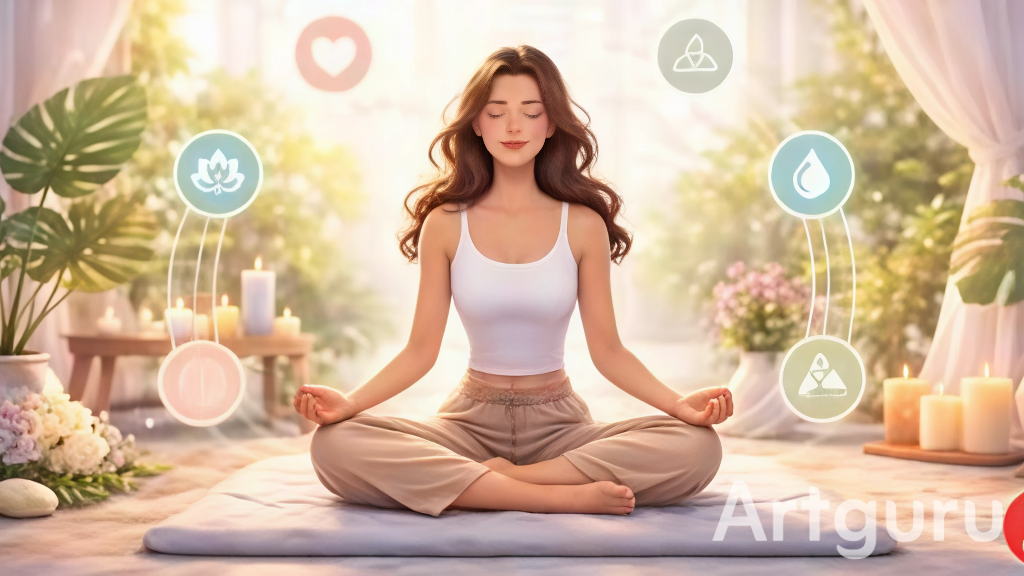
In today’s rapidly evolving world, our understanding of the human mind and body has taken significant strides. People are learning to approach mental and physical health with more openness, sensitivity, and respect. Two major trends have emerged in recent years: recognizing autism through a lens of neurodiversity and exploring holistic wellness practices, including new concepts such as Orgasamtrix. Both movements encourage individuals to embrace their unique identities, promote personal growth, and cultivate authentic relationships with themselves and others.
Understanding Autism
Autism is a neurodevelopmental condition that affects how people perceive, communicate, and interact with the world. While traditional frameworks often view autism as a disorder, modern perspectives emphasize that autism is a naturally occurring variation of the human brain. Individuals on the autism spectrum can experience the world differently, often possessing exceptional focus, memory, and pattern recognition abilities.
Viewing autism as a difference rather than a deficit allows society to move away from stigmatizing beliefs and toward inclusive practices. This approach respects the autonomy of autistic individuals and supports their development in ways that are meaningful and empowering.
Common Myths About Autism
Many misconceptions about autism persist in society. One common myth is that autistic individuals lack empathy. In reality, many people on the spectrum experience deep empathy and form strong emotional connections, even if they express these feelings differently. Another myth is that autistic individuals cannot succeed in academic or professional environments. With the right support and accommodations, many autistic individuals thrive in education, careers, and social life.
Challenging these myths requires awareness, education, and inclusion of autistic voices in discussions that impact their lives. It is essential to recognize the diversity of experiences within the autism spectrum rather than reducing it to stereotypes.
The Neurodiversity Paradigm
Neurodiversity emphasizes that neurological differences, including autism, ADHD, and dyslexia, are natural variations of the human brain. These differences contribute to the diversity of society and should be celebrated rather than pathologized. Viewing neurodiversity as an asset encourages society to focus on strengths rather than limitations.
Creating Supportive Environments
Neurodiversity advocates recommend sensory-friendly spaces, flexible learning approaches, and supportive work settings. By embracing this perspective, society acknowledges that intelligence, creativity, and human potential take many forms.
Strengths of Autistic Individuals
Autistic individuals often possess unique skills and attributes that enrich society. These strengths include:
-
Exceptional focus on areas of interest
-
Ability to detect patterns others may overlook
-
Innovative problem-solving skills
-
Strong memory and attention to detail
-
Creativity and analytical thinking
Recognizing these abilities can help reshape educational, professional, and social opportunities to align with their talents.
Challenges Faced by Autistic Individuals
While recognizing strengths is important, it is also essential to acknowledge challenges that autistic individuals may face:
-
Difficulty in social communication
-
Sensory sensitivities
-
Heightened stress in unpredictable environments
Supporting wellbeing involves providing tools, resources, and accommodations that address these challenges while respecting autonomy.
Supporting Autistic Wellbeing
Families, educators, and communities play a key role in promoting autistic wellbeing. Providing clear communication, structured routines, sensory-friendly environments, and opportunities for self-expression can help individuals navigate daily life more effectively. Encouraging self-advocacy and decision-making empowers autistic individuals to participate fully in society.
Resources and Community Support
Access to resources and supportive communities is crucial. Structured programs such as workshops, masterclasses, and podcasts, as well as informal communities like online forums and local support networks, allow autistic individuals and their families to share experiences, exchange knowledge, and celebrate achievements. These communities foster a sense of belonging and reinforce the importance of valuing diverse perspectives.
Holistic Wellness and Orgasamtrix
Alongside neurodiversity, holistic wellness practices have gained popularity as tools for promoting personal growth and self-care. One emerging concept is Orgasamtrix, which focuses on enhancing physical, emotional, and intimate wellbeing.
What is Orgasamtrix?
Orgasamtrix integrates lifestyle strategies, mind-body practices, and emotional health techniques to improve overall quality of life. It encourages individuals to explore personal wellness through mindful practices, natural approaches to vitality, stress management, and techniques that foster deeper connection with oneself and others.
The Three Pillars of Orgasamtrix
Mindset
The mindset pillar emphasizes relaxation, presence, and reducing performance pressure in daily life and intimate contexts. Mindset practices focus on cultivating awareness, managing stress, and fostering a positive attitude toward personal growth.
Mechanics
The mechanics pillar addresses practical techniques such as controlled breathing, body awareness, physical wellness routines, and exercises that improve circulation and energy flow. These practices aim to enhance both physical and emotional resilience.
Meaning
The meaning pillar encourages individuals to foster authentic connection, communication, and consent in relationships. Developing emotional safety and intimacy helps individuals experience fulfilment and promotes personal development in a holistic way.
Integrating Neurodiversity Awareness with Wellness
Neurodiversity and holistic wellness are complementary approaches. By embracing individuality and understanding diverse neurological perspectives, wellness practices can be tailored to meet specific needs. Mindfulness exercises, relaxation techniques, and emotional wellness strategies can be adapted for autistic individuals who may have sensory sensitivities.
Why Acceptance and Empowerment Matter
Acceptance and empowerment reduce stigma, foster self-confidence, and encourage participation in society. Recognizing differences as strengths helps individuals thrive authentically. Both neurodiversity awareness and wellness practices benefit when inclusivity, self-expression, and personal growth are prioritized.
Practical Steps for Individuals, Families, and Educators
To support autistic individuals and promote holistic wellness:
-
Create supportive environments
-
Provide education and resources
-
Encourage self-expression
-
Practice patience and empathy
Individuals can integrate Orgasamtrix techniques into daily routines, explore emotional awareness exercises, and prioritize self-care. Building social support networks and participating in community programs enhances personal development and wellbeing.
Conclusion
Embracing neurodiversity and holistic wellness represents a progressive, inclusive approach to personal growth. By understanding autism as a natural variation of the human brain and exploring wellness practices like Orgasamtrix, individuals can live authentically, nurture their potential, and connect meaningfully with others. Wellbeing is multifaceted, requiring attention to mental, emotional, and physical health. Society benefits when differences are valued, inclusion is prioritized, and holistic practices are promoted.
Frequently Asked Questions (FAQ)
-
What is autism?
Autism is a neurodevelopmental condition that affects perception, communication, and interaction. It is a naturally occurring variation of the human brain. -
What does neurodiversity mean?
Neurodiversity recognizes that neurological differences, including autism, ADHD, and dyslexia, are natural and should be respected and celebrated. -
How can autistic individuals thrive in daily life?
Supportive environments, understanding communities, clear communication, and structured routines help autistic individuals use their strengths and improve wellbeing. -
What is Orgasamtrix?
Orgasamtrix is a holistic wellness concept that enhances physical, emotional, and intimate wellbeing through lifestyle strategies, mind-body practices, and emotional health techniques. -
How does Orgasamtrix improve personal wellness?
Orgasamtrix focuses on mindset, mechanics, and meaning. Mindset involves relaxation, mechanics focuses on physical wellness, and meaning emphasizes communication, consent, and emotional safety. -
Are neurodiversity and wellness connected?
Yes, both emphasize self-awareness, individuality, and acceptance, making wellness practices more effective and inclusive. -
What are the strengths of autistic individuals?
Autistic individuals often have strong focus, creativity, memory, problem-solving, pattern recognition, and attention to detail. -
How can families and educators support autistic people?
Provide understanding, structured routines, sensory-friendly spaces, education about neurodiversity, opportunities for self-expression, and empower decision-making. -
Can Orgasamtrix techniques be adapted for everyone?
Yes, Orgasamtrix practices can be tailored to individual needs, preferences, and sensitivities. -
Why is acceptance crucial for autistic wellbeing?
Acceptance reduces stigma, fosters self-confidence, encourages societal participation, and promotes positive social and emotional development. Visit my site.