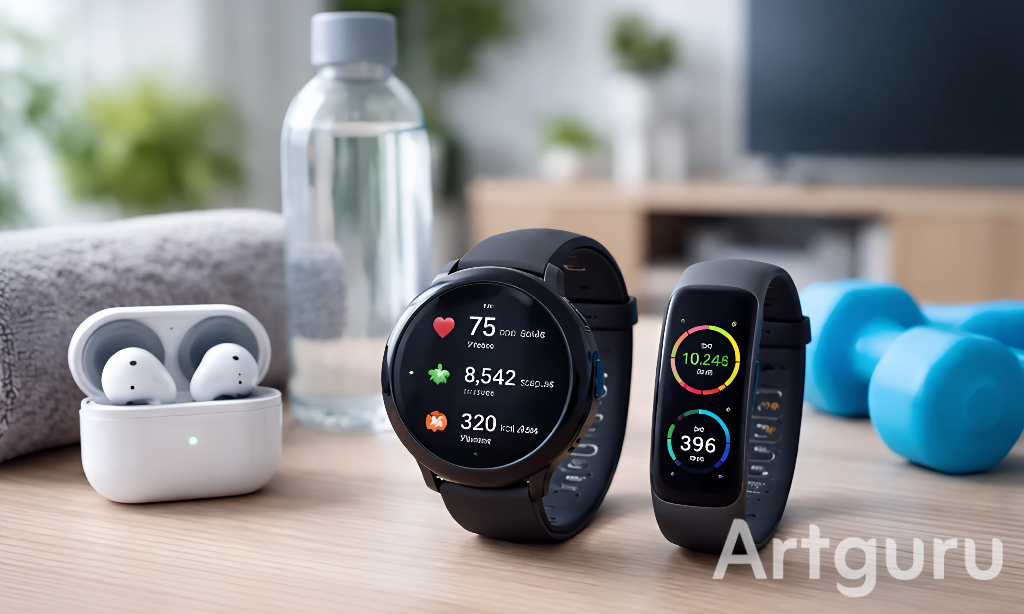
Wearable Technology Introduction
Wearables feedworldtech has become a major part of modern digital life as people increasingly rely on smart devices to support health, fitness, and daily productivity. These devices are designed to be worn comfortably while collecting useful data throughout the day. Over time, wearables have evolved from basic accessories into intelligent systems that provide real insights. Because of this evolution, wearable technology is no longer optional but essential for many users, and its role continues to expand across different lifestyles as adoption grows worldwide. In addition, wearable devices fit naturally into everyday routines without interrupting normal activities, allowing users to track important information while working, exercising, or resting.
Evolution of Wearables
The evolution of wearable technology has been driven by innovation in sensors and connectivity as early wearables offered limited tracking and basic features. However, modern devices now deliver accurate data and real-time insights that have changed how people interact with technology. At the same time, wearables have become more user-focused as manufacturers prioritize comfort, design, and ease of use, which encourages consistent daily usage and improves overall value beyond novelty status.
Health Monitoring Value
Health monitoring is one of the strongest benefits of wearable technology as wearables continuously track heart rate, movement, sleep, and activity levels. This constant data helps users understand their bodies better and identify unhealthy patterns early. Moreover, wearables support preventive health management by allowing users to take action before issues worsen, while small daily insights often lead to long-term improvements and healthier lifestyles.
Fitness Tracking Capabilities
Fitness tracking remains a core feature of wearable devices as wearables measure steps, workouts, calories burned, and activity intensity. This information helps users stay motivated and focused on goals while making progress tracking easier and more structured. Additionally, wearables adapt to different fitness levels by offering simple guidance for beginners and advanced metrics for experienced users, which improves consistency and results over time.
Sleep Tracking Importance
Sleep tracking has become an important part of wearable technology as devices analyze sleep duration and quality to identify patterns. This data helps users understand how habits affect rest and leads to better daily performance. Furthermore, wearables often suggest improvements for healthier sleep routines, supporting gradual changes that enhance focus, energy, and mood, making sleep tracking highly valuable.
Artificial Intelligence Impact
Artificial intelligence plays a key role in modern wearables by allowing devices to analyze data rather than just record it. Wearables learn from user behavior and personalize insights, which makes feedback more accurate and useful. In addition, AI enables early alerts when unusual patterns appear, helping users take timely action while making wearable technology smarter and more beneficial in the long term.
Productivity Features
Wearables also improve productivity by simplifying daily tasks as smart devices allow users to receive notifications without using phones. This reduces distractions and saves time while improving efficiency through quick access to information. Moreover, voice control features make wearables more practical by allowing users to set reminders or manage schedules instantly, which supports busy lifestyles.
Smart Ecosystem Integration
Wearable technology works best when integrated with other smart devices as many wearables connect with smartphones, apps, and home systems. This creates a connected digital environment where users benefit from seamless data sharing. For example, wearables can sync health data with apps or control smart home features, increasing convenience as smart ecosystems continue to grow.
Design and Comfort
Design and comfort strongly influence wearable adoption because users prefer devices that look good and feel natural. Manufacturers focus on lightweight materials and customizable styles to improve long-term usage. Since wearables are worn daily, comfort encourages consistent use, which improves data quality and reliability while driving overall success.
Smart Clothing Innovation
Smart clothing is an emerging area in wearable technology as these garments include sensors that track body movement and posture. Unlike traditional wearables, smart clothing blends into everyday outfits and allows continuous monitoring without extra devices. As technology advances, smart garments are expected to become more common, especially in fitness and healthcare.
Healthcare Applications
Wearables are increasingly used in healthcare settings as doctors rely on wearable data to monitor patients remotely. This improves care quality, reduces hospital visits, and supports better decision-making through continuous data. Additionally, wearables help manage chronic conditions by allowing patients to track symptoms and share data easily, which improves treatment outcomes.
Wearables Feedworldtech Workplace Benefits
Wearables are used in workplaces to improve safety and performance as some devices monitor fatigue and physical strain. This reduces injury risks and improves workplace safety. Furthermore, companies use wearables in wellness programs because healthy employees are more productive, highlighting the versatility of wearable technology.
Wearables Feedworldtech Data Privacy Challenges
Data privacy is a major concern in wearable technology because wearables collect sensitive personal information. Users expect strong data protection, so companies invest in security measures and encryption. Transparency builds trust through clear privacy policies, while secure wearables gain long-term acceptance and confidence.
Wearables Feedworldtech Sustainability Focus
Sustainability is becoming important in wearable development as manufacturers use recyclable materials and energy-efficient designs to reduce environmental impact. Modular designs extend device lifespan by allowing users to replace parts instead of entire devices. These sustainable practices attract eco-conscious users and align wearables with green trends.
Wearables Feedworldtech Choosing a Wearable
Choosing the right wearable depends on personal needs as some users focus on health while others prefer productivity features. Identifying goals helps decision-making, while battery life, compatibility, and comfort also matter. A suitable wearable fits daily routines easily, and smart selection improves satisfaction through proper research.
Market Demand Growth
Wearable technology demand continues to grow as health awareness and innovation drive adoption. Consumers prefer multi-functional devices, which increases competition and improvement across the market. At the same time, prices are becoming more affordable, allowing wearables to reach wider audiences with strong future potential.
Wearables Feedworldtech Future Developments
The future of wearable technology looks promising as sensor advancements will improve accuracy and connectivity will expand capabilities. Wearables will offer deeper insights while devices become smaller and more integrated. Future innovation will reshape daily life, ensuring wearables remain essential tools.
Wearables Feedworldtech Final Conclusion
Wearable technology has transformed how people interact with digital systems by supporting health, productivity, and convenience through real-time insights. As technology advances, wearables will become smarter and more personalized, while early adoption offers long-term benefits, ensuring wearable technology continues shaping the future.Visit my site.