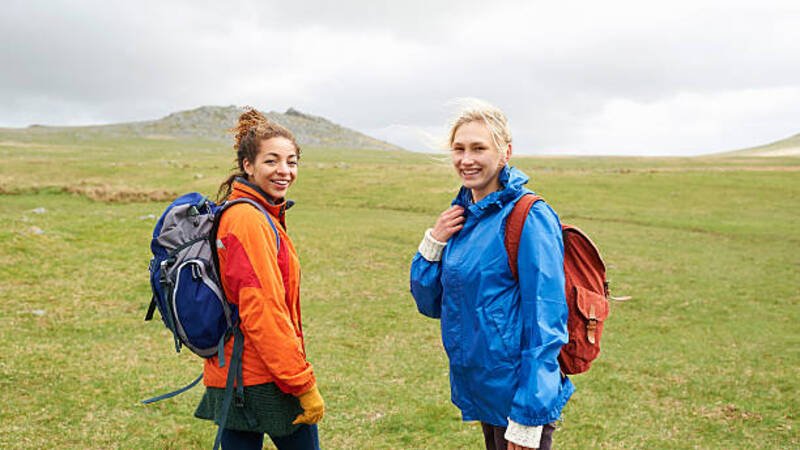
Introduction to Backpacking Travel
Backpacking Advice cwbiancavoyage is essential for anyone planning to travel smart, safe, and on a budget. This guide covers everything from packing tips and budgeting strategies to health, safety, and cultural awareness. Following these tips helps beginners and experienced travelers alike enjoy a stress-free journey. With proper planning and awareness, backpacking can be both safe and highly rewarding. Whether traveling solo or with friends, this advice ensures a smooth and memorable adventure.
The Backpacking Mindset
A successful backpacking journey starts with the right mindset. Backpackers must accept that plans can change at any time due to weather, transport delays, or local conditions. Instead of stress, adaptability helps you enjoy the journey. Backpacking also teaches independence and problem‑solving. When you stay calm and open‑minded, challenges become learning experiences rather than obstacles.
Choosing the Right Backpack
Your backpack is the foundation of your entire trip and should be chosen carefully. A backpack that fits your body properly prevents pain and fatigue during long walks. Most travelers prefer backpacks between forty and sixty liters for long trips. Adjustable straps, padded hip belts, and strong zippers are essential features. Testing your backpack before departure ensures comfort throughout the journey.
Packing Light and Smart
Packing light makes backpacking easier and more enjoyable. Carrying unnecessary items adds weight and reduces mobility. Choose clothing that is lightweight, quick‑drying, and suitable for layering. Neutral colors help you mix outfits easily. Laundry services are available in most destinations, so fewer clothes are needed.
Essential Items to Carry
Some items are essential for every backpacker regardless of destination. A basic first‑aid kit helps manage small injuries or sickness. Copies of important documents like passports and visas should always be carried. A reusable water bottle saves money and reduces plastic waste. Small locks help secure your belongings in hostels or shared spaces.
Budget Planning for Backpackers
Budget planning is a key part of backpacking successfully. Knowing your daily spending limit helps you travel longer and stress‑free. Accommodation, food, transportation, and activities should all be considered. Tracking expenses daily keeps you aware of your spending habits. An emergency fund should always be kept separate.
Affordable Accommodation Options
Backpackers usually choose hostels, guesthouses, or homestays to save money. These places are affordable and encourage social interaction with other travelers. Dorm rooms are cheaper than private rooms and often include shared facilities. Many hostels provide kitchens, allowing travelers to cook meals. Booking platforms make it easy to compare prices and reviews.
Food Choices While Traveling
Food is an important part of the travel experience. Street food offers authentic local flavors at affordable prices. Eating where locals eat is usually safer and fresher. Avoid unhygienic places and choose busy stalls with high customer turnover. Carrying light snacks is useful during long travel days.
Health Precautions for Backpackers
Maintaining good health while backpacking is very important. Before traveling, research vaccinations and health risks of your destination. Drinking clean water and washing hands regularly reduces illness. Avoid extreme physical exhaustion and rest when needed. Listening to your body helps prevent serious health issues.
Backpacking advice cwbiancavoyage Personal Safety on the Road
Safety should always be a top priority for backpackers. Keep valuables hidden and avoid displaying expensive items. Be cautious in crowded places and public transport. Trust your instincts when meeting new people. Staying aware of your surroundings greatly reduces risks.
Backpacking advice cwbiancavoyage Importance of Travel Insurance
Travel insurance protects you from unexpected situations. Medical emergencies abroad can be very expensive without coverage. Insurance also covers theft, cancellations, and travel delays. Adventure activities may require additional coverage. Having insurance gives peace of mind throughout the trip.
Transportation Tips for Backpackers
Public transportation is the most common choice for backpackers. Buses and trains are affordable and allow cultural immersion. Booking early during peak seasons helps secure better prices. Walking is also a great way to explore cities deeply. Flexible travel schedules often lead to better experiences.
Backpacking advice cwbiancavoyage Using Technology While Traveling
Technology can make backpacking easier and safer. Offline maps help navigate areas without internet access. Translation apps assist in communication with locals. Travel planning apps help manage routes and bookings. Always carry a power bank to keep devices charged.
Backpacking advice cwbiancavoyage Cultural Awareness and Respect
Respecting local culture is essential for responsible backpacking. Learn basic local phrases to show respect. Follow dress codes and social norms. Observing local customs builds positive relationships. Cultural respect enhances the travel experience.
Backpacking advice cwbiancavoyage Connecting With Other Travelers
Meeting people is one of the best parts of backpacking. Hostels and group activities provide social opportunities. Sharing travel stories helps build friendships. Listening to others offers valuable travel advice. Always set personal boundaries when socializing.
Sustainable Backpacking Practices
Responsible backpacking protects destinations for future travelers. Reduce plastic waste by using reusable items. Respect nature and wildlife at all times. Support local businesses instead of international chains. Sustainable travel benefits both locals and travelers.
Dealing With Travel Challenges
Every backpacker faces challenges during their journey. Delays, lost items, and miscommunication are common issues. Staying calm helps resolve problems quickly. Asking locals or fellow travelers often provides solutions. Challenges often become memorable travel stories.
Backpacking advice cwbiancavoyage Staying Flexible During Travel
Flexibility is a core strength of backpacking. Unexpected opportunities often arise when plans change. Adjusting your route can lead to better experiences. Avoid strict schedules that cause stress. Enjoy the journey rather than rushing destinations.
Mental Growth Through Backpacking
Backpacking helps build confidence and independence. Navigating new places strengthens decision‑making skills. Facing challenges improves mental resilience. Exposure to different cultures broadens perspective. These personal lessons last beyond the trip.
Final Thoughts on Backpacking
Backpacking is a powerful way to explore the world meaningfully. With proper planning and awareness, it is safe and affordable. Packing light, budgeting wisely, and respecting cultures are essential. Flexibility and patience enhance every journey. Backpacking is not just travel, it is personal growth.Visit my site for more information.